My first solo trip almost didn't happen because of the planning. For three weeks I watched videos, read blog posts, and saved forty-seven bookmarks I never opened again. By the time my flight left for Lisbon, I was so exhausted by the trip that I could barely enjoy it. The problem wasn't that I planned too much. It was that I planned everything except the things that mattered.
Start with three decisions, not three hundred
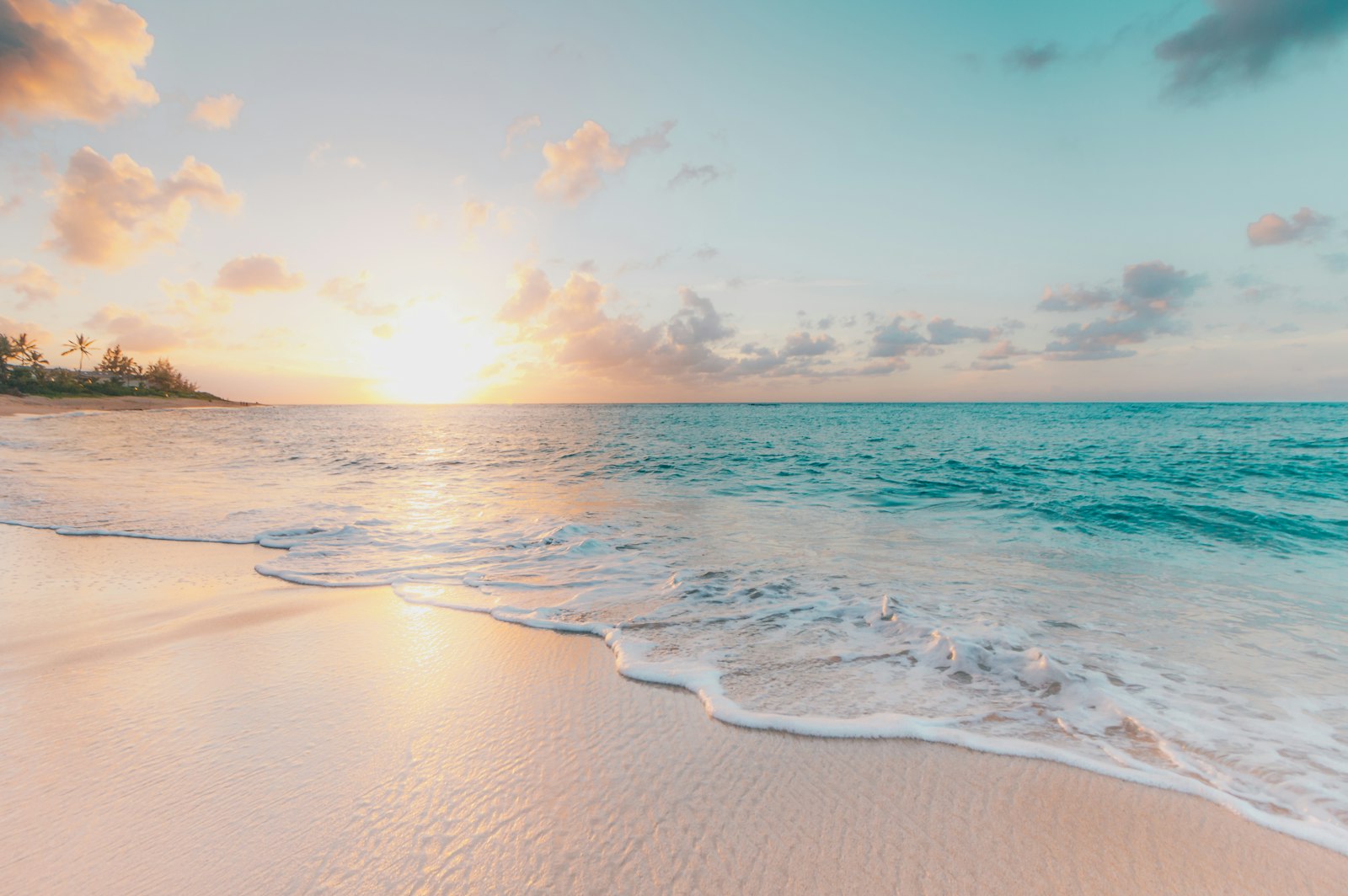
Every trip I've ever over-planned started the same way: a blank map and unlimited options. Now I force myself to answer three questions before I open a single booking site. What are the exact dates? What is the absolute most I'll spend? And what is the one thing I refuse to miss? For my Portugal trip that was a day on the Algarve coast, no matter what. Everything else — the neighborhoods, the restaurants, the day trips — gets decided after those three answers exist. It sounds obvious, but writing them down changes how every later choice feels. You're filtering instead of collecting.
Advertisement
Give every day a spine, not a schedule
The other shift came when I stopped building hour-by-hour itineraries. Now each day gets one anchor — one place or activity that defines it — and the rest is free. Monday, Belém Tower and a pastel de nata at the shop that's been there since 1837. Tuesday, Sintra in the morning, nowhere in particular after. That single line is enough. It gives the day a shape without turning your vacation into a series of alarms. When something good comes up — a market, a street festival, a stranger's recommendation — there's room to say yes.
Advertisement
Booking works the same way. I pay for flights, the first two nights of lodging, and the few things that genuinely sell out, like a museum that books weeks ahead. Everything else I leave until I'm on the ground, where weather and energy levels are real information. This has never backfired, and it's saved me from a dozen rigid itineraries.
Leave a day empty on purpose
Advertisement
The last rule is the one people resist the most: plan one day with nothing on it. Not 'light day.' Nothing. On my Portugal trip that empty day became a walk along the cliffs at Ponta da Piedade, a swim, and the best grilled sardines I've ever eaten — none of it planned, all of it the highlight of the week.
The version of me that planned for three weeks would have called that a waste. The version that made it home thinks it's the whole point. Planning should build a container for the trip, not fill every minute of it. Decide the dates, the budget, the one thing you won't skip. Give each day a spine. Leave room to wander. That's the entire method, and it takes about two hours — not three weeks.